A story of pattern recognition, institutional capture, and unexpected return.
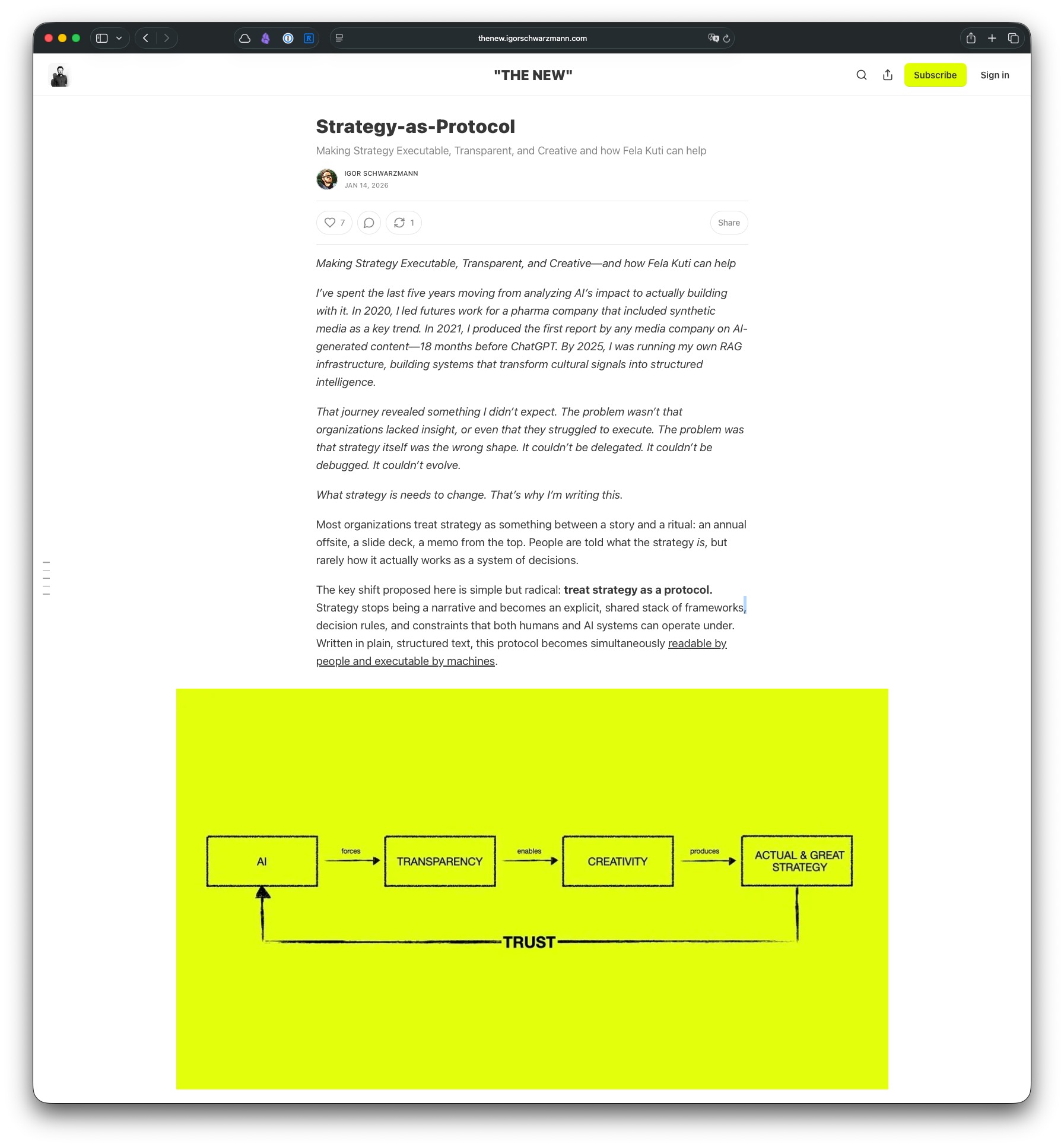
"Strategy-as-Protocol" proposed that strategy should be written in plain language — readable by humans, executable by machines.
Design systems are the test case. What you're seeing right now was built that way.
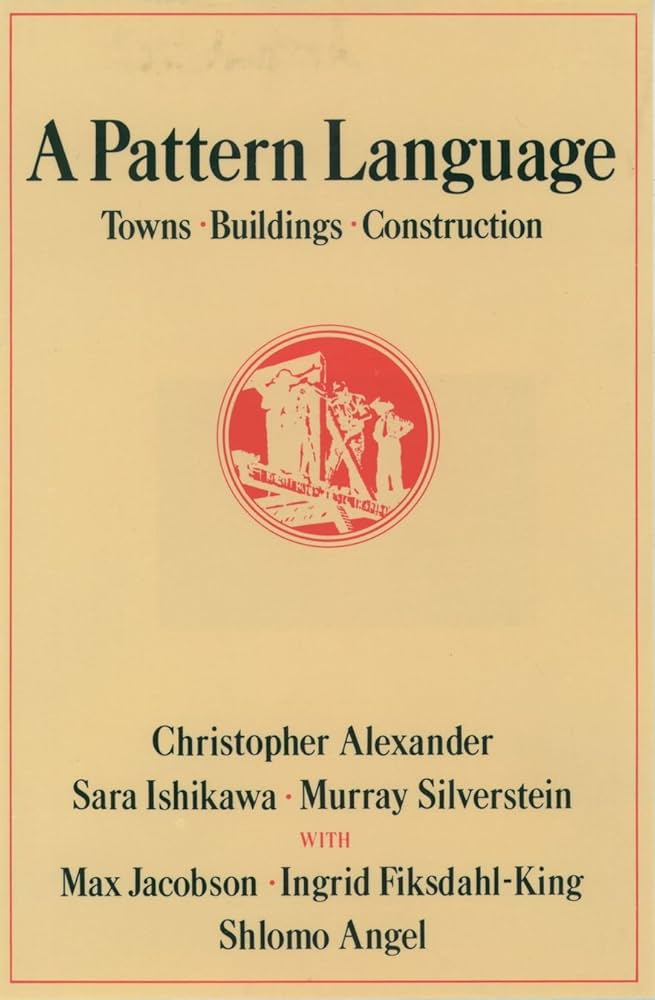
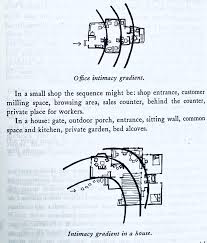
A Pattern Language, 1977
The origin point.
Each pattern describes a problem which occurs over and over again in our environment, and then describes the core of the solution to that problem, in such a way that you can use this solution a million times over, without ever doing it the same way twice.— Christopher Alexander
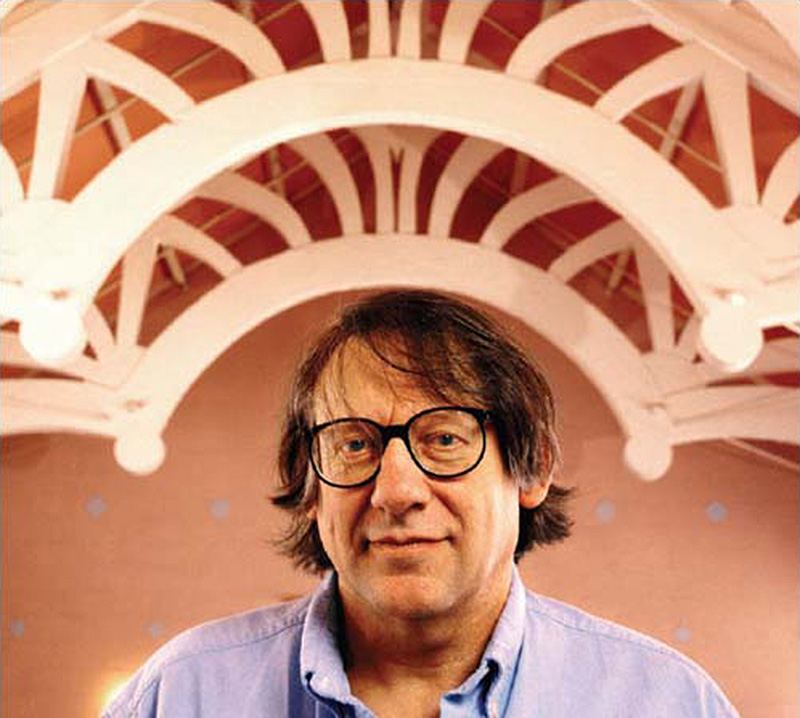
Christopher Alexander, architect and theorist
Alexander's language described what to build. Someone still had to build it.
The tipping point.
February 2006: For the first time, specification and implementation shipped together.
The BSD license democratized access — enterprise-grade tools became freely available. A new category was born.
The institutionalization begins.
Material Design, June 2014
Carbon
IBM, 2017
Fluent
Microsoft, 2017
Lightning
Salesforce, 2015
Design systems became essential infrastructure with dedicated teams, formal governance, executive sponsorship.

The ecosystem phase.
What Alexander imagined one person could use now required organizational infrastructure to create.
Each phase involves handoffs, reviews, tooling. Massive infrastructure for tiny output.
"...a million times over, without ever doing it the same way twice."
Senior Design Systems Engineer
Requirements:
The implementation gap became an organizational function with headcount, budget, and roadmap.
???
Here's the proof.
1,253 lines of human-readable specification. Written in plain language — AI interprets it directly.
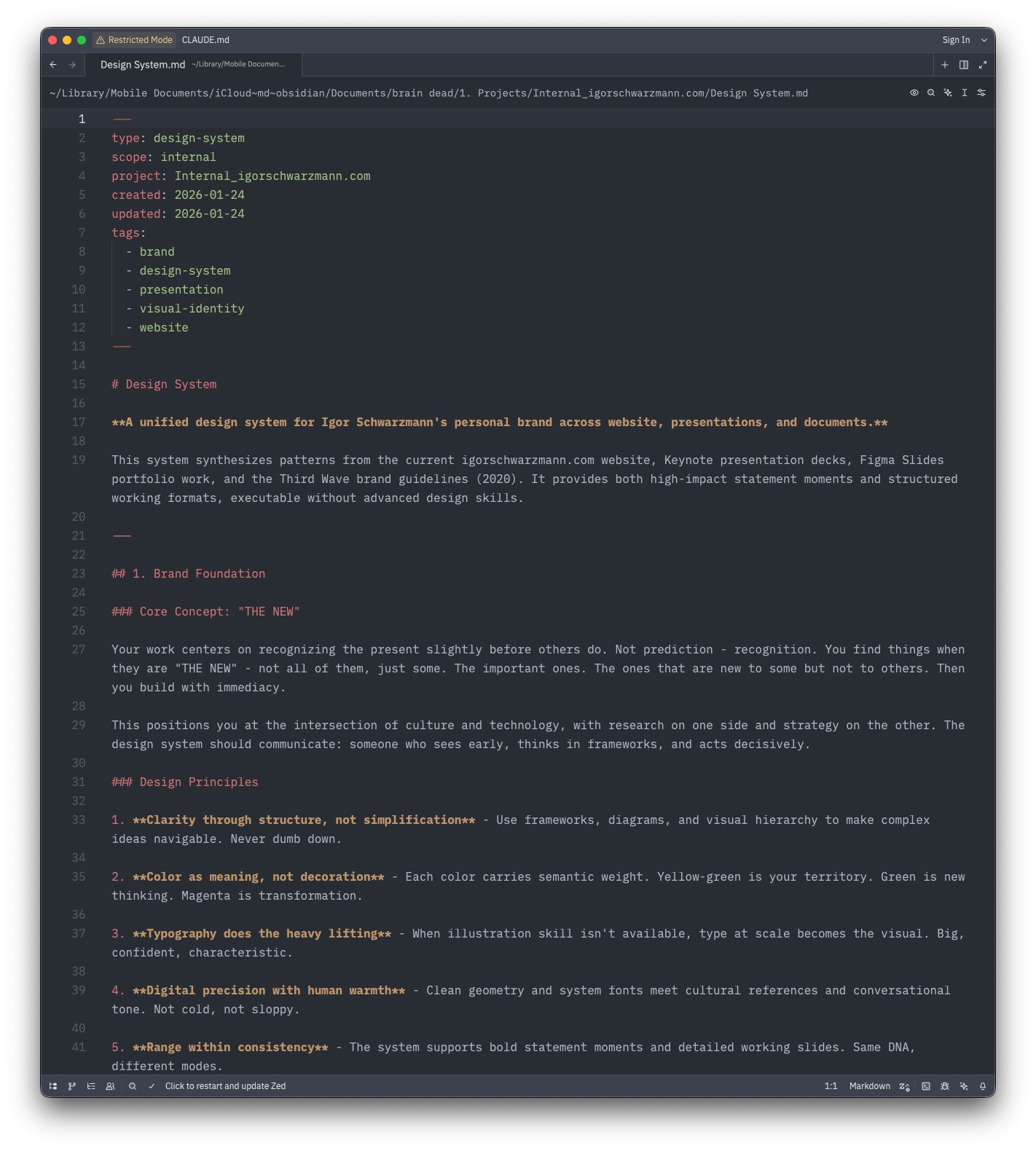
"Volt = 'This is my perspective.'
Signal = 'This is emerging.'
Shift = 'This changes everything.'"
The system describes principles, not pixels — and that's enough.
Same specification, three outputs
| The Gap AI Closes | The Gap That Remains |
|---|---|
| Design → Working code | Working code → Accessible code |
| Principles → Pixels | Pixels → Brand differentiation |
| One-off creation | Sustained governance |
| Individual builder | Cross-functional alignment |
One mind + AI
Same output
Full circle.
A Pattern Language, 1977
Design System, 2025
48 years apart. Same vision. Finally possible.
The essay described the theory. This demonstrates it.
The value moved upstream. Design systems become thought systems made executable.
Show me version 2.0 in six months. That's the real test. Can AI handle maintenance, breaking changes, evolution?
I don't know yet. But I know Alexander's original vision — one mind, pattern recognition, usable output — is closer than it's been in 48 years.